Check and clean your HVAC unit often and make sure there is no mold build up.
Ducts: replace filters every 90 days and have ducts cleaned yearly. Only use FPR 10 or highest quality filters you can find.
Get dehumidifiers, hygrometers, thermometers, and keep temperature at 74 degrees F and humidity under 50%, 60% tops but not for more than a few hours. Make sure you clean the tanks and add a spoonful of hydrogen peroxide (H2O2) to the empty tank before returning it to the unit.
Install a probiotic dispersion unit to your HVAC or get smaller room units. These organisms coat surfaces and prevent mold and fungi from building up.
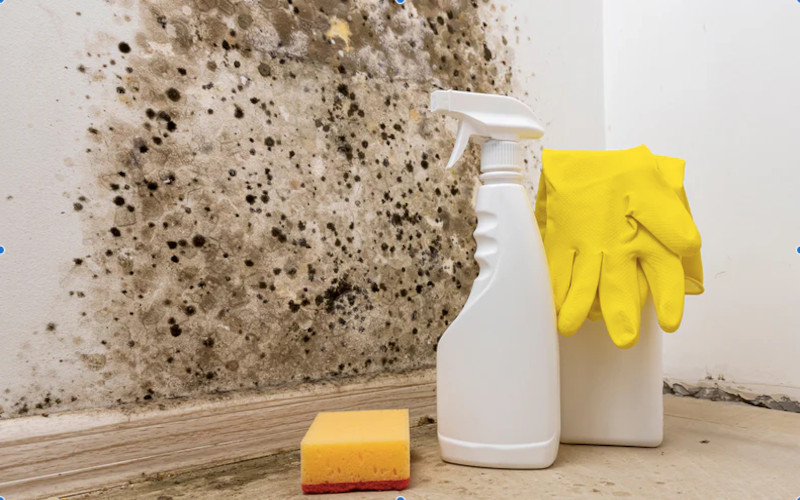
Use probiotic cleaners instead of toxic stuff. Hydrogen peroxide cleaners work well too. If you see mold around household areas, clean with H2O2 first, then use antifungal cleaner, then use stain remover and finally coat with probiotic cleaner. Also, you can use this same type of probiotic cleaner when changing your ducts. Just spray some right on the surface of the ducts before installing the clean filter.
When doing a new build or an addition, always spend the extra money and use green board and pressurized wood. This will prevent mold build up. Use “Killz” antimold primer before all paint jobs. Seal all gaps with caulk and make sure there are no points of entry for moisture. And check that attic and make sure there are no hidden moisture leaks or mold colonies.
Clean your carpets using a steam cleaner every week or at least twice a month. Use steam cleaning on upholstery each week. Mold hates steam.
Invest in washer/dryer that has “sanitize” function, and if possible a “steam” function. This will prevent mold and mold spores from staying on laundry. Also add borax to each wash. It will save money by boosting detergents and also help control fungus.
Use baking soda, borax, and/or H2O2, as cleaners. Safe, non-toxic, and excellent mold and fungal controllers.
Get your home tested with effective at home testing plates. These plates will show us spore growth and the genus of the mold or fungi present.
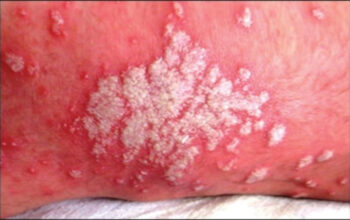
Your body is your last line of defense. Get mycotoxin testing every 90 days and organic acid testing twice a year.
Use high potency probiotics daily: High Dose Bifido starting at 150B CFU per day, and Lactobacillus Rhamnosus GG starting at 150 B CFU per day, and a spore former that is high is B Subtilis, which is the natural enemy of many fungal species. In many cases the use of a probiotic yeast called S. Boulardii can have a positive effect on fungal related illnesses.
It is my professional finding that Vitamin C is the ultimate nutrient against mold toxicity, and a minimum of 3 grams per day should be taken orally to help prevent fungal related illnesses, and even more if exposure is great and symptoms are experienced. I have found that Intravenous Vitamin C, if done correctly, can do 6-9 months of mold toxin detoxification in less than 2 weeks. This is done for acute cases, but may have significant benefit for anyone and everyone with mold toxicity concerns.
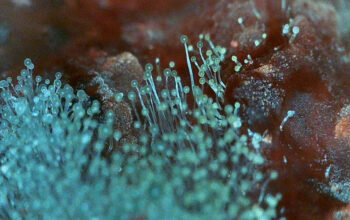
The biggest offender of mold exposure is the refrigerator. Most people that have mold toxicity do so because of their fridge and “hidden” mold sources that is toxic and don’t even know it. Clean the fridge once per month, and toss out old foods daily, while making sure that you clean the drawers out and sanitize if you see moldy fruit or vegetables. Look for the blue-green mold. If you see it, you have to toss out everything in the drawer.
Lastly, eat some good fermented foods. Rice Koji culture is used to make excellent soy-free misos. It is made from a species of Aspergillus that competes with the toxic forms. Also learn to make homemade traditional ferments, and bake your own sourdough bread. High quality fermented foods can be super helpful in helping your body adapt to even the worst mold infestations.