What Are Biomolecules?
For the duration of the past century, since the great Polish scientist Casimir Funk created his list of Vital-Amines1 and coined the term in 1912, there has been tremendous controversy about what actually constitutes a “vitamin.” The definition of the very word vitamin has gradually become synonymous with a pill or capsule containing nutritional components, but this is not an accurate scientific definition.
There are many nutrients commonly referred to as vitamins that do not necessarily meet the modern definition of a vitamin, while still remaining absolutely vital to human biochemistry. This article proposes a broader and more accurate classification system by referring to these compounds collectively as Biomolecules.
These Vital Chemicals, or biomolecules2, can be divided into three distinct categories:
- Essential Biomolecules
- Conditionally Essential Biomolecules
- Non-essential Biomolecules
Essential Biomolecules
Essential Biomolecules are nutrients that are indispensable to human biology but cannot be synthesized directly by the body. They must therefore be obtained through food or supplementation.
Examples include many of the B-complex vitamins, such as:
- Vitamin B1 (Thiamine)
- Vitamin B2 (Riboflavin)
- Vitamin B5 (Pantothenic Acid)
- Vitamin B6 (Pyridoxine)
Niacin (Vitamin B3), however, does not fit neatly into this category because the body can manufacture some niacin from the essential amino acid tryptophan. Since this conversion occurs but is generally inefficient and often insufficient to satisfy biological demand, niacin is better classified as a Conditionally Essential Biomolecule.
Vitamin C (Ascorbic Acid) presents an interesting example of an Essential Biomolecule because it is essential for humans despite being non-essential for nearly every other mammal. Approximately 99.99% of mammals manufacture their own vitamin C, whereas humans cannot, resulting in a high requirement for daily intake
Vitamin E, comprised of both the tocopherols and tocotrienols, is also an Essential Biomolecule because it is a crucial fat soluble antioxidant that must be found exogenously from food or supplementation.
Minerals as Essential Biomolecules
Minerals can also be regarded as Essential Biomolecules because they serve as the chemical building blocks of life and cannot be synthesized by the body.
Examples include:
- Magnesium
- Calcium
- Potassium
- Sodium
- Zinc
- Copper
- Manganese
Macronutrients—including proteins, carbohydrates and fats—also belong in this category because they must be obtained from food and cannot be produced by the body in sufficient quantities.
Conditionally Essential Biomolecules
Conditionally Essential Biomolecules occupy the middle ground. These substances can be synthesized by the body, but not efficiently enough—or not in adequate amounts—to meet physiological demand.
Niacin is a classic example of a conditionally essential biomolecule because, as mentioned, the body makes this molecule but not enough to meet demand, resulting in bottlenecks that inhibit proper biochemical functions from working properly.
Omega-3 fatty acids also fit this classification. Although often labeled “essential,” the long-chain omega-3 fatty acids EPA and DHA are actually synthesized from dietary Alpha-Linolenic Acid (ALA). Unfortunately, this conversion occurs very slowly and rarely produces sufficient quantities for optimal health.
Therefore, while omega-3 fatty acids are unquestionably vital for normal physiology, they are more accurately described as Conditionally Essential Biomolecules rather than strictly essential nutrients.
Other Examples
Other compounds that may fall into this category include:
- Coenzyme Q10 (CoQ10)
- Alpha Lipoic Acid
- Glutathione
- Vitamin A (from beta carotene)
The body manufactures these compounds, but often not in amounts sufficient to satisfy biological requirements.
The Importance of Conversion Cofactors
Conditionally Essential Biomolecules often depend upon other nutrients known as conversion cofactors.
For example, niacin synthesis from tryptophan requires adequate levels of:
- Vitamin C
- Vitamin B6
If this conversion pathway fails or produces insufficient niacin, the deficiency disease pellagra may develop3. Even when enough niacin is produced to prevent pellagra, production may still fall short of supporting optimal health.
Carnitine: Another Example
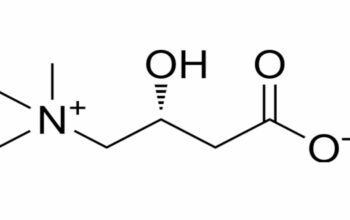
Carnitine is generally regarded as a Conditionally Essential Amino Acid because the body synthesizes it inefficiently using two hydroxylase enzymes.
Carnitine is essential for transporting fatty acids into mitochondria, where they are converted into energy.
Vitamin C plays a crucial role in this process by supporting the hydroxylase enzymes involved in carnitine production. Iron must also remain in the correct oxidation state at the enzyme’s active site, and vitamin C helps stabilize iron so this reaction can occur efficiently.
This illustrates how one conditionally essential biomolecule may depend entirely upon several essential biomolecules for both its synthesis and function.
As a result, determining whether a nutrient is essential, conditionally essential or non-essential often requires individual assessment using:
- Laboratory testing
- Dietary analysis
- Scientific literature
- Clinical history
- Professional consultation
Human nutrition is rarely as straightforward as broad classifications might suggest, so clinical investigation is essential.
Non-essential Biomolecules
Non-essential Biomolecules are substances that remain vital to human health but are normally synthesized by the body from other nutrients or precursor molecules.
Examples include:
- Non-essential amino acids
- Hormones
- Vitamin D
Why Vitamin D Is Technically Non-essential
Although this classification may seem surprising, vitamin D is technically produced by the body from cholesterol in the presence of sunlight and several nutritional cofactors, including:
- Vitamin C
- Magnesium
- Adequate sunlight exposure
Supplementing with large doses of vitamin D3 does not necessarily ensure the production of biologically active vitamin D if these conversion cofactors are lacking.
In cases of severe deficiency, vitamin D may temporarily function as a Conditionarily Essential Biomolecule. However, these deficiencies frequently arise because the nutrients required for vitamin D metabolism—particularly vitamin C and magnesium—are themselves deficient.
Changing Circumstances
Even Non-essential Biomolecules may become deficient if synthesis pathways are impaired due to:
- Trauma
- Disease
- Organ dysfunction
- Surgical procedures
- Menopause
For example, hormone production following hysterectomy or menopause may become inadequate, making bioidentical hormone replacement therapy (BHRT) necessary to restore biochemical balance.
Under these circumstances, hormones effectively become essential because the body can no longer produce sufficient quantities on its own.
Understanding the Terminology
It is important not to confuse the terms essential and non-essential with judgments about importance.
Within this proposed classification:
- Essential means the nutrient must be obtained externally through diet or supplementation because the body cannot manufacture it.
- Non-essential means the body normally possesses the ability to synthesize or convert the compound.
- Conditionally Essential describes substances that the body can manufacture but not efficiently enough to consistently meet physiological requirements.
A New Perspective on Biomolecules
The broader classification of Biomolecules may better reflect our modern understanding of nutritional science than relying solely on the traditional concept of vitamins.
Terms such as “Vitamin” D4, “Vitamin” B34, and “Vitamin” B124 may no longer fully communicate the biological complexity and physiological roles of these compounds.
Developing more precise definitions and classifications could improve communication among scientists, healthcare practitioners and nutritional product developers while leading to more effective clinical applications.
By expanding upon Casimir Funk’s original concept of Vital-Amines, we may continue advancing our understanding of the biochemical compounds that are fundamental to long-term health, optimal function and effective healing.
References
- Casimir Funk’s original work describing the concept of Vital-Amines (1912).
- Proposed classification of biomolecules as described in this article.
- Pellagra resulting from niacin deficiency.
- Conventional vitamin nomenclature.
1 Funk theorized there were four distinct “vital amines”: Anti-beri-beri factor: (Later classified as Vitamin B1 or Thiamine) Anti-scorbutic factor: (Later classified as Vitamin C, or Ascorbic Acid) Anti-pellagric factor: (Later classified as Vitamin B3 or Niacin aka Nicotinic Acid) Anti-rachitic factor: (Later classified as Vitamin D) He also contributed to the discovery of Vitamin B2, or Riboflavin
2 Referencing Tom Levy’s mention and use of this term in several of his lectures and writings. Credit goes to him for coining the term; I’m just elaborating on it, expanding it, and codifying it. We must build off the work of others if we are to advance science. I’m “old school” like that.
3 Pellagra symptoms include the classical 4 “D’s”, Dementia, Dermatitis, Diarrhea, and eventually, Death. Also included are the acute symptoms of severe memory loss, confusion, tremors, hallucinations, delirium, fatigue, apathy, anxiety, and depression, which have been reported throughout the ages as major symptoms of acute Pellagra. However, it is strange and somewhat suspect that if one enters these acute symptoms all at once into a search engine or AI, it inexplicably makes no mention of pellagra, even though when one looks up Pellagra specifically, these acute symptoms are included. This is an example of how disconnected modern medicine is from actual disease causation and how AI can be manipulated to present inaccurate, incomplete, or flat out false information.
4 Vitamin D is a steroidal hormone, specifically a secosteroid and not a vitamin; Vitamin B3, or nicotinic acid aka Niacin, is not, in my opinion, a Vitamin as the body does in fact make it but not enough, and the exogenous or dietary requirements far exceed that of what would constitute the convention definition of “vitamin” in that B3 is required in gram-amounts or very close to it, which true vitamins are considered to be needed in smaller quantities; B12 is a very strange nutrient and in my opinion should be classified as something other than a vitamin, hence it could fall under the category of Essential or Conditionally Essential, as it is synthesized by microbes in the gut and a certain protein is necessary for its uptake, called Intrinsic Factor. Its form and function are hyper-dependent on other factors, and these things need to be considered so we have a better understanding on how to normalize intake and uptake. One can see why classifying all these vital nutrients under one arbitrary category can lead to confusion and misunderstanding.
AI was used to structure and format this article, but all of the content was written by Dr Michael Joseph